Buy gaestehaus.eu ?
We are moving the project
gaestehaus.eu .
Are you interested in purchasing the domain
gaestehaus.eu ?
domain@kv-gmbh.de · 0541-91531010
Buy gaestehaus.eu ?
What happens in the small intestine?
The small intestine is where most of the digestion and absorption of nutrients from food takes place. Enzymes from the pancreas and bile from the liver help break down food into smaller molecules that can be absorbed by the intestinal lining. Villi and microvilli in the small intestine increase the surface area for absorption, allowing nutrients like carbohydrates, proteins, fats, vitamins, and minerals to be taken up into the bloodstream and transported to cells throughout the body. Any remaining undigested food then moves on to the large intestine for further processing. **
What is the small intestine in horses?
The small intestine in horses is a long, coiled tube that is a crucial part of the digestive system. It is responsible for the majority of nutrient absorption, including proteins, carbohydrates, and fats. The small intestine is where the majority of the digestive process takes place, as it is where enzymes and other digestive juices break down food into smaller molecules that can be absorbed into the bloodstream. It is a vital organ for the overall health and well-being of the horse. **


Similar search terms for Small intestine
Top-Angebote
Products related to Small intestine:
-
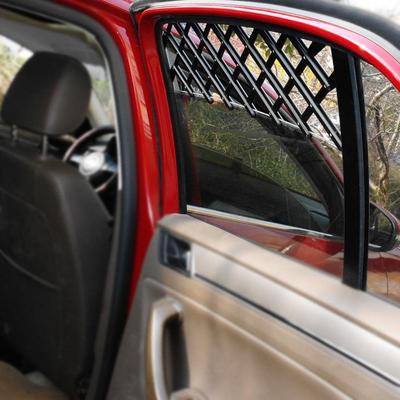
PetsAreLife Pet Travel Car Window Mesh SmallAs pet owners, we all want to keep our furry friends safe while we're on the road. We love seeing our dogs or cats stick their head out of the car window and enjoy the fresh air, but we all know how dangerous it can be. With the Pet Travel Car...27,97 $*Shipping: 0,00 $Secure redirect to the provider
-
63 x 19.7 Inch Rubberwood Small Writing Desk for Bedroom,Small SpacesThis vintage-style desk is made from 100% FAS grade rubber wood, offering durability, stability, and a sturdy structure with high load-bearing capacity. Its compact, narrow design fits easily into small spaces such as bedrooms, dorms, or small offices.265,99 $*Shipping: 0,00 $Secure redirect to the provider
-
Inspired Living BubblePop Aesthetic Small Wall Clock For Bedroom & Modern Decor BubblePop Aesthetic Small Wall Clock For Bedroom & Modern DecorWake up your walls with a playful sense of style. This charming bubble wall clock blends modern design with everyday practicality, giving your space a fresh decorative touch while keeping you on schedule. Its compact size and cheerful bubbleinspired...75,97 $*Shipping: 0,00 $Secure redirect to the provider


-
What happens during absorption in the small intestine?
During absorption in the small intestine, the nutrients from the digested food are absorbed into the bloodstream. The inner surface of the small intestine is lined with millions of tiny, finger-like projections called villi, which increase the surface area for absorption. Nutrients such as carbohydrates, proteins, fats, vitamins, and minerals are absorbed through the walls of the small intestine and then transported to the rest of the body through the bloodstream. This process is essential for providing the body with the necessary nutrients for energy, growth, and overall functioning. **
-
Where does the name small intestine come from?
The name "small intestine" comes from its relatively smaller diameter compared to the large intestine. The small intestine is actually longer than the large intestine, but it was named based on its narrower diameter. It is the part of the digestive system where most of the digestion and absorption of nutrients takes place. **
-
How long is the small intestine of an adult?
The small intestine of an adult is typically around 20 feet long. It is divided into three sections: the duodenum, the jejunum, and the ileum. The small intestine is where most of the digestion and absorption of nutrients from food takes place. Its long length allows for a large surface area for nutrient absorption to occur. **
-
Why doesn't pepsin attack the proteins in the small intestine?
Pepsin is an enzyme that is specifically designed to function in the acidic environment of the stomach. Once the partially digested food leaves the stomach and enters the small intestine, the pH becomes more neutral, which is not an optimal environment for pepsin to function effectively. Additionally, the small intestine contains other enzymes like trypsin and chymotrypsin that are responsible for further breaking down proteins into smaller peptides and amino acids. **


Can pepsin also act as an enzyme in the small intestine?
No, pepsin cannot act as an enzyme in the small intestine. Pepsin is an enzyme that is produced in the stomach and is responsible for breaking down proteins into smaller peptides. Once the food moves from the stomach to the small intestine, the acidic environment of the stomach is neutralized, and pepsin becomes inactive. In the small intestine, other enzymes such as trypsin, chymotrypsin, and peptidases take over the role of breaking down proteins into amino acids for absorption. **
In which intestine is liverwurst made, in the gold intestine or in the natural intestine?
Liverwurst is typically made in the natural intestine. The natural intestine, also known as the casing, is the traditional method for shaping and cooking liverwurst. It is made from the cleaned and processed intestines of animals, such as pigs or sheep, and is used to encase the liverwurst mixture before it is cooked. The gold intestine, on the other hand, is a synthetic casing that is sometimes used in modern food production processes. **
Top-Angebote
Products related to Small intestine:
-
Tongil Nutriorgans Intestine 250 grNutrition and Supplements Special supplements Tongil Nutriorgans Intestine 250 gr How to use: Take 1 or 2 tablespoons dissolved in half a glass of water, between lunch and dinner, or at the end of them. Presentation: 256.25gr jar This product is beneficial for human health.12,27 £*Shipping: 3,99 £Secure redirect to the provider
-
Soria Natural Regeneration of the intestineNutrition and Supplements Prebiotics and probiotics Soria Natural Regeneration of the intestine Food supplement. Vitamin B6 contributes to the normal function of the immune system. Ferments protected against stomach pH by double microencapsulation (S. thermophilus, L. acidophilus, L. rhamnosus, L. casei, L. paracasei, L. plantarum, B. infantis, B. bifidum, B. longum in a minimum quantity of 75x108 CFU/sachet). Keep in a cool, dry place. Box with 14 sachets of 10 g18,78 £*Shipping: 3,99 £Secure redirect to the provider
-
PetsAreLife Pet Travel Car Window Mesh SmallAs pet owners, we all want to keep our furry friends safe while we're on the road. We love seeing our dogs or cats stick their head out of the car window and enjoy the fresh air, but we all know how dangerous it can be. With the Pet Travel Car...27,97 $*Shipping: 0,00 $Secure redirect to the provider
-
63 x 19.7 Inch Rubberwood Small Writing Desk for Bedroom,Small SpacesThis vintage-style desk is made from 100% FAS grade rubber wood, offering durability, stability, and a sturdy structure with high load-bearing capacity. Its compact, narrow design fits easily into small spaces such as bedrooms, dorms, or small offices.265,99 $*Shipping: 0,00 $Secure redirect to the provider
-
What happens in the small intestine?
The small intestine is where most of the digestion and absorption of nutrients from food takes place. Enzymes from the pancreas and bile from the liver help break down food into smaller molecules that can be absorbed by the intestinal lining. Villi and microvilli in the small intestine increase the surface area for absorption, allowing nutrients like carbohydrates, proteins, fats, vitamins, and minerals to be taken up into the bloodstream and transported to cells throughout the body. Any remaining undigested food then moves on to the large intestine for further processing. **
-
What is the small intestine in horses?
The small intestine in horses is a long, coiled tube that is a crucial part of the digestive system. It is responsible for the majority of nutrient absorption, including proteins, carbohydrates, and fats. The small intestine is where the majority of the digestive process takes place, as it is where enzymes and other digestive juices break down food into smaller molecules that can be absorbed into the bloodstream. It is a vital organ for the overall health and well-being of the horse. **
-
What happens during absorption in the small intestine?
During absorption in the small intestine, the nutrients from the digested food are absorbed into the bloodstream. The inner surface of the small intestine is lined with millions of tiny, finger-like projections called villi, which increase the surface area for absorption. Nutrients such as carbohydrates, proteins, fats, vitamins, and minerals are absorbed through the walls of the small intestine and then transported to the rest of the body through the bloodstream. This process is essential for providing the body with the necessary nutrients for energy, growth, and overall functioning. **
-
Where does the name small intestine come from?
The name "small intestine" comes from its relatively smaller diameter compared to the large intestine. The small intestine is actually longer than the large intestine, but it was named based on its narrower diameter. It is the part of the digestive system where most of the digestion and absorption of nutrients takes place. **
Similar search terms for Small intestine
-
Inspired Living BubblePop Aesthetic Small Wall Clock For Bedroom & Modern Decor BubblePop Aesthetic Small Wall Clock For Bedroom & Modern DecorWake up your walls with a playful sense of style. This charming bubble wall clock blends modern design with everyday practicality, giving your space a fresh decorative touch while keeping you on schedule. Its compact size and cheerful bubbleinspired...75,97 $*Shipping: 0,00 $Secure redirect to the provider
-
Cozy Casa Charm Portable Dog Car Seat Bed For Small Pets, Central Car Console Carrier Travel Safety Bag For Cats & Dogs, Pet Travel khaki SmallUpgrade your pets travel experience with this Dog Car Seat Bed Car Central Dog Car Seat Bed designed to provide both safety and comfort for your furry companion on the road. Whether you're headed to the vet, taking a weekend trip, or running...39,97 $*Shipping: 0,00 $Secure redirect to the provider
-
Solid Wooden Desk,Rubberwood Mid Century Modern Desks, Small Writing Desk for Bedroom,Small Spaces,Walnut ColorProduct Features 【Premium Solid Wood Desk】 The vintage desk is made of 100% FAS grade rubber wood to ensure durability and stability.186,99 $*Shipping: 0,00 $Secure redirect to the provider
-
How long is the small intestine of an adult?
The small intestine of an adult is typically around 20 feet long. It is divided into three sections: the duodenum, the jejunum, and the ileum. The small intestine is where most of the digestion and absorption of nutrients from food takes place. Its long length allows for a large surface area for nutrient absorption to occur. **
-
Why doesn't pepsin attack the proteins in the small intestine?
Pepsin is an enzyme that is specifically designed to function in the acidic environment of the stomach. Once the partially digested food leaves the stomach and enters the small intestine, the pH becomes more neutral, which is not an optimal environment for pepsin to function effectively. Additionally, the small intestine contains other enzymes like trypsin and chymotrypsin that are responsible for further breaking down proteins into smaller peptides and amino acids. **
-
Can pepsin also act as an enzyme in the small intestine?
No, pepsin cannot act as an enzyme in the small intestine. Pepsin is an enzyme that is produced in the stomach and is responsible for breaking down proteins into smaller peptides. Once the food moves from the stomach to the small intestine, the acidic environment of the stomach is neutralized, and pepsin becomes inactive. In the small intestine, other enzymes such as trypsin, chymotrypsin, and peptidases take over the role of breaking down proteins into amino acids for absorption. **
-
In which intestine is liverwurst made, in the gold intestine or in the natural intestine?
Liverwurst is typically made in the natural intestine. The natural intestine, also known as the casing, is the traditional method for shaping and cooking liverwurst. It is made from the cleaned and processed intestines of animals, such as pigs or sheep, and is used to encase the liverwurst mixture before it is cooked. The gold intestine, on the other hand, is a synthetic casing that is sometimes used in modern food production processes. **
* All prices are inclusive of VAT and, if applicable, plus shipping costs. The offer information is based on the details provided by the respective shop and is updated through automated processes. Real-time updates do not occur, so deviations can occur in individual cases. ** Note: Parts of this content were created by AI.